
‘Teach, Lead, And Transform’: The Future Of The Legal Profession
Joining an emerging trend in legal education, Penn Law launches an innovative and important new initiative.
Joining an emerging trend in legal education, Penn Law launches an innovative and important new initiative.

* "How Tough-on-Crime Prosecutors Contribute to Mass Incarceration." My review of Emily Bazelon's new book, Charged: The New Movement to Transform American Prosecution and End Mass Incarceration (affiliate link). [New York Times Book Review] * When it comes to prosecutors, as former prosecutor Joel Cohen explains, it's all about discretion. [New York Law Journal] * Judge Nancy Gertner (Ret.) defends Suffolk District Attorney Rachael Rollins's exercise of her prosecutorial discretion -- and argues that Thomas Turco's criticisms of Rollins are unfair. [Boston Globe] * Another ex-prosecutor, Quinn Emanuel partner Alex Spiro, is representing tennis star Naomi Osaka in the "repugnant" lawsuit filed against her by her former coach. [Tennis365] * Former federal prosecutors, many of them now partners at Biglaw firms, represent more than half of the defense lawyers in Operation Varsity Blues, aka the college admissions scandal. [Big Law Business] * High-stakes litigation is just one of many factors contributing to Biglaw's robust profit margin these days -- hovering around 40 percent, its highest value in almost 30 years, according to Madhav Srinivasan of Hunton Andrews Kurth. [Law.com] * Ronald Collins interviews Joan Biskupic about her latest judicial biography, The Chief: The Life and Turbulent Times of Chief Justice John Roberts (affiliate link). [SCOTUSblog] * And speaking of SCOTUS, Will Baude believes that the death penalty "is justifiable and constitutional" -- but argues that the Court has not acquitted itself well in its recent handling of capital cases. [Volokh Conspiracy / Reason]

The company is emphasizing ‘white glove service’ in the AI era. Here’s what the initiative is delivering for clients.
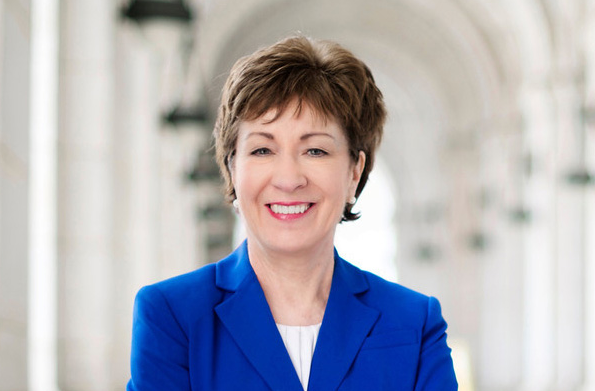
* Will Senator Susan Collins be persuaded by the campaign to get her to vote against Judge Brett Kavanaugh? Ed Whelan has his doubts. [Bench Memos / National Review] * Speaking of the Supreme Court, Adam Feldman identifies his "Supreme Court All-Stars" (2013-2017): the lawyers and law firms with the most arguments -- and wins -- before the high court. [Empirical SCOTUS] * Greg Lukianoff and Adam Goldstein offer tips for protecting freedom of speech on college campuses, inspired by a new book, The Coddling of the American Mind (affiliate link) by Greg Lukianoff and Jonathan Haidt. [Volokh Conspiracy / Reason] * Charles Glasser to news organizations, on the subject of self-policing: do better. [Daily Caller] * How should we evaluate the success of law firm mergers? Madhav Srinivasan of Hunton Andrews Kurth has some thoughts on methodology. [Law.com] * And Orin Kerr offers a proposal for applying the Fifth Amendment privilege against self-incrimination to compelled "decryption" of a locked phone, computer, or file. [SSRN] * Speaking of privacy, Google is taking some heat in Arizona over its alleged practice of recording location data of Android device owners even if they opted out of such tracking. [Washington Post] * When it comes to learning how to integrate technology into the delivery of legal services, American law firms can learn a thing or two from the Brits -- as the latest move by CMS suggests. [Artificial Lawyer]